Illegal Fly-Tipping After a Move: Coombe Disposal Risks
Posted on 04/07/2026
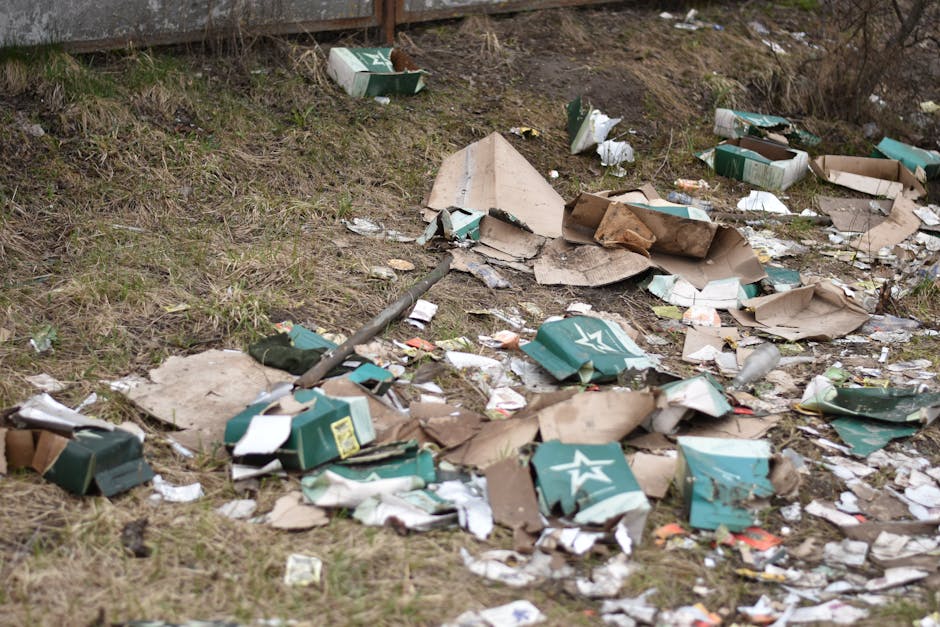
Moving house can leave you with one awkward final job: the leftovers. Broken flat-pack, an old mattress, bags of mixed clutter, a tired sofa that nobody wants to carry down the stairs again. That is where illegal fly-tipping after a move becomes a real risk. In Coombe, disposal mistakes can turn an ordinary clearance into fines, complaints, blocked access, or a very unpleasant call from the council. This guide explains the Coombe disposal risks clearly, so you can avoid the messy end-of-move chaos and handle unwanted items the right way.
Truth be told, most fly-tipping does not begin with bad intentions. It starts with pressure. The van is due back. The new place is full. The skip quote feels too high. And someone says, "I know a spot." That's the moment to stop. Below, you will find the practical route through lawful disposal, safer alternatives, and the small decisions that keep a move tidy rather than risky.
Why Illegal Fly-Tipping After a Move: Coombe Disposal Risks Matters
When people talk about fly-tipping, they often picture a mattress on a rural verge or a pile of builder's waste behind a hedge. After a move, though, the pattern is usually simpler and closer to home: unwanted furniture, black sacks, cardboard, appliances, and mixed rubbish left where it should not be. In a residential area like Coombe, that can quickly become visible to neighbours, landlords, managing agents, or passing enforcement officers.
The risk matters for three reasons. First, there is the obvious legal and financial exposure. Second, there is the practical mess: once waste is dumped, it can attract more dumping, especially if it sits for a day or two. Third, there is the reputational side. If waste is left outside a shared building, on a narrow lane, or near an access point, people rarely forget it in a hurry.
After a move, the pressure often comes from poor planning rather than malice. A sofa does not fit the new layout. A freezer is no longer needed. Boxes contain a weird blend of things people never seem to throw away until they relocate. If you want a smoother start, it helps to pair the moving process with genuine decluttering and proper disposal planning, much like the approach discussed in thorough decluttering before a move.
A simple rule works well here: if an item feels awkward to move, it usually becomes awkward to dispose of too. Deal with it early, not at the very end when everyone is tired.
That last hour of a move is where people make daft decisions. Let's face it, nobody is at their most organised while standing in a hallway with tape on their shoes and a kettle packed in the wrong box.
How Illegal Fly-Tipping After a Move: Coombe Disposal Risks Works
The mechanics are usually straightforward. A property has been emptied, but a handful of items remain. Someone needs them gone quickly. If lawful routes seem slow or expensive, waste can get moved in a less careful way: left beside communal bins, placed in another person's skip, carried to an unofficial dump point, or handed to an unverified operator who promises a cheap removal and disappears. In the worst cases, waste is simply abandoned in a lay-by, service road, or secluded spot.
After a move, the risk tends to rise because there are multiple moving parts. There may be keys to return, cleaners waiting, parking restrictions, lift bookings, and other people trying to come and go. That makes "temporary" dumping feel harmless. It is not. Waste that is left in the wrong place can be traced back to the person who arranged the removal, especially if paperwork, photos, or vehicle details are available.
In Coombe, the practical issue is often access. Shared entrances, steep steps, narrow lanes, and limited loading space make it tempting to cut corners. Some residents try to solve the problem by overfilling one vehicle, then making a second trip they never actually complete. Others assume that any van can take anything. That is rarely true. A better approach is to plan the load properly, choose the right vehicle, and move the waste through a legitimate route. If you are already juggling furniture, boxes, and bulky items, the guidance in moving bulky furniture on Coombe's narrow lanes can help you think more realistically about access and handling.
Another thing people overlook is mixed waste. If recyclables, electrical items, soft furnishings, and general rubbish are all thrown together, disposal gets harder and more expensive. That is exactly when bad choices happen. A little sorting before the move can stop that spiral.
Key Benefits and Practical Advantages
Handling post-move waste properly is not just about avoiding trouble. It makes the whole transition feel cleaner, calmer, and more controlled. There is a noticeable difference between stepping into a new home with a tidy exit behind you and arriving with the lingering stress of unresolved rubbish. You can feel it, honestly.
- Lower risk of fines or complaints: lawful disposal reduces the chance of enforcement action or neighbour disputes.
- Safer moving day: cleared walkways, stairwells, and hallways mean fewer trips, slips, and awkward lifts.
- Better recycling outcomes: separating reusable and recyclable items keeps more out of landfill.
- Less last-minute panic: a clear disposal plan prevents the "what do we do with this?" scramble.
- Cleaner property handover: especially important for rentals, managed flats, and sales with tight completion timing.
- More accurate budgeting: planned disposal is usually cheaper than emergency fixes after the fact.
There is also a small but real emotional benefit. People often underestimate how much unfinished clutter weighs on them. A move should end with relief, not a guilty glance at a pile of rubbish behind the shed.
If you are clearing more than expected, the right storage or staging choice can buy you breathing room. For example, items that are still useful but not ready to move on can sometimes be set aside carefully rather than dumped in haste. That is the kind of judgement that keeps moving day steady. If storage is part of your thinking, storage in Coombe may be worth considering as a temporary bridge, especially for mixed or seasonal items.
Who This Is For and When It Makes Sense
This topic is relevant to almost anyone moving in or around Coombe, but some groups feel the pressure more sharply than others.
- Home movers with bulky leftovers: sofas, beds, wardrobes, white goods, and broken furniture often create disposal problems.
- Renters and students: end-of-tenancy deadlines can make people rush, and rushed disposal is where mistakes happen. If that sounds familiar, student removals in Coombe can be useful when time is tight.
- Landlords and letting agents: you may need fast clearance between occupiers without leaving waste behind.
- Small offices: desks, chairs, monitors, and archive waste can be awkward to manage if a move is badly timed. Office removals in Coombe are often smoother when the disposal plan is built in from the start.
- People doing partial moves: maybe you are keeping some items, replacing others, and binning the rest. Partial moves are where "temporary" dumping is most likely.
It also makes sense for anyone who has already discovered that one van is not enough. You pack the obvious boxes, then at the end there is a mattress, a broken chair, and a pile of bits that did not make the cut. Rather than guessing, it helps to think in terms of a removal plan plus disposal plan. That is the real win.
Step-by-Step Guidance
If you want to avoid illegal fly-tipping after a move, the simplest method is to make disposal part of the move schedule rather than an afterthought. Here is the process that tends to work best in practice.
- Sort items early. Divide everything into keep, donate, recycle, dispose, and unsure. The "unsure" pile should be small, not a second house.
- Identify problem items. Mattresses, fridges, freezers, electricals, paint, and large furniture usually need special handling or separate disposal.
- Check what can be reused. A decent chair, clean shelving, or a solid wardrobe might be worth passing on rather than throwing away.
- Book lawful removal or disposal. Do this before moving day if possible. Last-minute arrangements are where rogue operators creep in.
- Keep waste physically separate. Do not mix clean items with general rubbish if they might be recycled or reused.
- Get the route right. On move day, make sure waste is loaded safely and transported to an authorised facility or handled by a reputable service.
- Keep evidence of proper disposal. Notes, receipts, booking confirmations, and photos can be useful if questions come up later.
One practical tip: do the decluttering before the boxes are sealed, not after. It sounds obvious, but people rarely do it. Once everything is packed, every item starts to feel like "moving stuff" and rubbish gets hidden in plain sight. The article on pre-move cleaning and clearing is a good companion if you want to tidy the property properly before handover.
And if the heavy lifting is making you hesitate, that is fair enough. Some items are simply awkward. The safer approach is to use proper technique, and when necessary, get help. There is no prize for proving you can wrestle a dining table downstairs alone. Guidance on lifting heavy objects safely is worth a look if you are doing any manual handling yourself.
Expert Tips for Better Results
In our experience, the cleanest moves are the ones where waste is reduced before anyone starts carrying things. That's the quiet secret. Less rubbish means less stress, fewer van loads, and fewer decisions under pressure.
- Use the move as a hard deadline: if you have not used something in a year, ask yourself whether it deserves space in the new home.
- Separate furniture from general waste: bulky items often need different handling from bagged rubbish.
- Think about access before booking: a Coombe flat with stairs, lifts, or tight entry points changes the whole disposal plan. If that is your setup, flat access and lift advice for Coombe estates may save you a headache.
- Keep one "final sweep" box: chargers, keys, screws, and small loose items always show up at the end. It sounds tiny, but it matters.
- Use proper packing materials: weak boxes and overfilled bags often split during disposal runs, creating extra mess and extra risk. You can avoid that with better preparation through packing and boxes support in Coombe.
- Ask about same-day help only if needed: same-day clearance can work, but it should still be handled carefully, not chaotically. Same-day removals in Coombe are useful when deadlines are genuinely tight.
A slightly old-fashioned but useful trick: stand in each room for ten seconds before leaving. You will often notice one extra item, or a bin bag tucked by the door, or a cable that somehow became part of the wallpaper. It is mundane, yes, but it saves trouble.
Common Mistakes to Avoid
A lot of fly-tipping risk comes from habits that feel efficient in the moment and expensive later. These are the big ones to watch.
- Assuming "just this once" is harmless: even a single dumped item can trigger a complaint or investigation.
- Using an unverified collector: if someone offers a suspiciously cheap disposal service and cannot explain where waste goes, be wary.
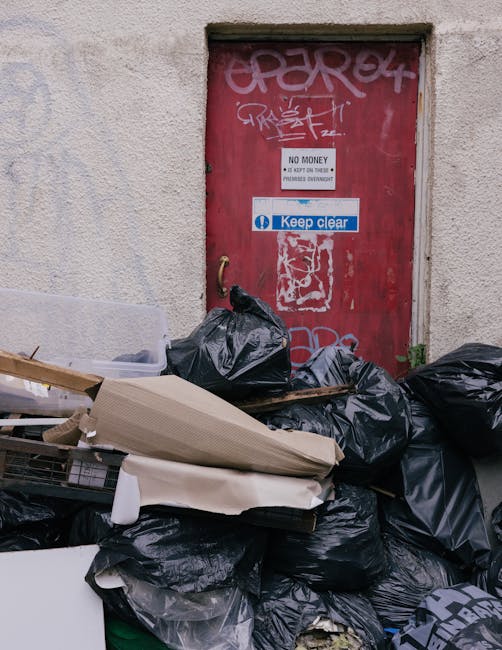
- Leaving waste beside communal bins: this is one of the fastest ways to create a visible problem for everyone in the building.
- Mixing recyclables with general rubbish: it reduces recovery options and can increase disposal difficulty.
- Forgetting electricals and white goods: fridges, freezers, monitors, and similar items usually need specific handling.
- Leaving disposal until the final hour: by then, the cheapest safe option may already be gone.
- Not checking access routes: a narrow road or awkward parking space can make a "quick drop" turn into a hazard.
One more common mistake is emotional. People feel tired, embarrassed, or fed up with how much stuff they own. That can lead to impulsive choices. If you recognise that feeling, pause for a minute. Seriously. One minute now can save you a week of hassle later.
Tools, Resources and Recommendations
You do not need a huge toolkit to avoid disposal problems, but a few simple tools make the process much smoother. Nothing glamorous here, just practical kit that saves time.
- Strong bin bags and labelled boxes: for sorting waste, recyclables, and donation items.
- Marker pens and labels: clear labels reduce confusion when the house is busy.
- Gloves and basic moving aids: useful for old cardboard, sharp fixings, and rough surfaces.
- Measuring tape: helps avoid trying to shift items that will not actually fit through doors or down stairs.
- Photo records: quick snapshots of items before disposal can be useful if you need to prove what was removed.
- A shortlist of legitimate disposal routes: local reuse, recycling, formal bulky item collection, or a reputable removal service.
It can also be helpful to lean on moving guidance before you get to the disposal stage. For example, planning the vehicle size correctly reduces the chance of overloading or making repeated unsafe trips. The articles on van sizes and parking tips on Coombe Lane and best local routes between Kingston Hill and Coombe are useful if your move involves tight access and careful scheduling.
If you are still comparing support options, the broader overview of removal services can help you decide what kind of help is sensible for your situation, without overcommitting. Not every move needs the same level of assistance.
Law, Compliance, Standards, or Best Practice
For disposal and fly-tipping, the main point is simple: waste should not be abandoned, left in the wrong place, or handed to someone who is not properly dealing with it. In the UK, responsibility can sit with the person producing the waste, the person transporting it, or both, depending on the circumstances. That is why "I paid someone else to take it" is not a safe defence if things go wrong.
Best practice in this area is less about memorising rules and more about being able to show that you acted responsibly. That usually means choosing a legitimate removal route, keeping a record of what was taken away, and avoiding any collection that feels vague, cash-only, or evasive. If the operator cannot tell you how items will be handled, that is a warning sign.
For homes and flats, it is also sensible to respect building rules, shared access areas, and storage points. Leaving waste in communal corridors or by fire exits can create safety issues as well as disposal issues. The same is true for box clutter in stairwells; even if it is "only temporary," it can become a hazard fast.
Good practice in Coombe also means being considerate of neighbours. Narrow access roads, parked cars, and shared entries can amplify minor mistakes. A bag that slips, a mattress leaning against a wall, or a box blocking the path may seem harmless for ten minutes. It often is not. Small things become everybody's problem.
If you are dealing with heavy or specialist items, caution matters even more. The wrong lift or a rushed carry can cause injury or property damage, which then creates a second problem on top of the first. That is why services focused on furniture removals in Coombe or piano removals in Coombe can be useful where standard disposal methods are not enough.
Options, Methods, or Comparison Table
There is no single correct disposal method for every move. The right option depends on volume, item type, time pressure, and access. Here is a simple comparison that may help.
| Method | Best for | Pros | Watch-outs |
|---|---|---|---|
| Reuse or donate | Usable furniture, household items, clean goods | Often cheapest, lower waste, good sustainability outcome | Needs time, cleanliness, and items in decent condition |
| Recycling-sorted disposal | Cardboard, some electricals, metal items, separated waste | Better environmental outcome, more orderly clear-out | Requires sorting and some knowledge of what can go where |
| Bulky-item removal | Sofas, beds, mattresses, white goods | Convenient, saves multiple trips, easier for awkward items | Needs proper booking and clear access |
| General rubbish collection | Bagged non-recyclable waste in smaller volumes | Simple for day-to-day leftovers | Not suitable for large or hazardous items |
| Rogue "cheap collection" | Nothing, ideally | Looks quick at first glance | High fly-tipping risk, poor traceability, potential liability |
In plain English: the safest choice is the one that gives you a clear trail and a clear destination for the waste. If it feels murky, it probably is.
Case Study or Real-World Example
Here is a realistic example from a typical Coombe move. A couple are leaving a first-floor flat after a busy week of packing. They have a damaged sofa, two old shelving units, a worn mattress, and several bags of mixed household waste. The temptation is to shove everything into the van and "deal with it later."
Instead, they pause and sort the items properly. The sofa is separated as a bulky item. The shelving is checked for reuse. Cardboard is flattened and bundled. Mixed rubbish goes into secure bags. The mattress is kept clean and dry so it can be handled properly. They book a removal slot and keep a note of what was taken. No drama. No random roadside drop. No anxious looking over the shoulder later in the week.
The move still took effort. Of course it did. But the final handover felt calm, and the new place started clean. That matters more than people think. There is a nice feeling in shutting the old front door knowing you did things properly, even if the day was a bit chaotic.
This is also where local planning helps. If parking is tight, the route matters. If stairs are awkward, the loading order matters. If access is limited, you may need a smaller vehicle or a staggered move. The point is not perfection. It is control. That is what stops a rushed clearance becoming a disposal problem.
Practical Checklist
Use this checklist if you are near the end of a move and want to keep the disposal side clean and lawful.
- Separate keep, donate, recycle, and dispose items before moving day.
- Identify mattresses, white goods, electronics, and other special items early.
- Check whether any furniture can be reused or passed on.
- Book lawful removal or disposal in advance where possible.
- Do not leave items beside communal bins, entrances, or shared paths.
- Keep bags closed, dry, and clearly labelled.
- Take photos or save confirmations for records.
- Make sure access routes, stairs, and parking arrangements are workable.
- Use proper lifting technique and ask for help with heavy items.
- Do one final sweep of every room, cupboard, loft, and under-bed space.
That final sweep is the boring bit, yes. But boring is good here. Boring means sorted.
Conclusion
Illegal fly-tipping after a move is rarely about one huge mistake. More often, it is the result of poor timing, unclear responsibility, and a last-minute decision made when everyone is tired. In Coombe, where access can be awkward and residential spaces are close together, the disposal risks are easy to underestimate. That is exactly why a simple, orderly plan matters.
Start early. Sort properly. Keep records. Choose legitimate disposal routes. And if the item is heavy, awkward, or simply too much to manage safely, get the right help rather than forcing it. A careful move feels better on the day and even better the week after, when you realise there is no mess following you around.
If you are planning a move and want the rubbish side handled without the stress, it is worth comparing options before the last box is sealed. A little preparation now can save a surprising amount of trouble later.
Get a free quote today and see how much you can save.