Moving Bulky Furniture on Coombe's Narrow Lanes
Posted on 10/06/2026
Moving Bulky Furniture on Coombe's Narrow Lanes: A Practical Guide for Safer, Smarter Moves
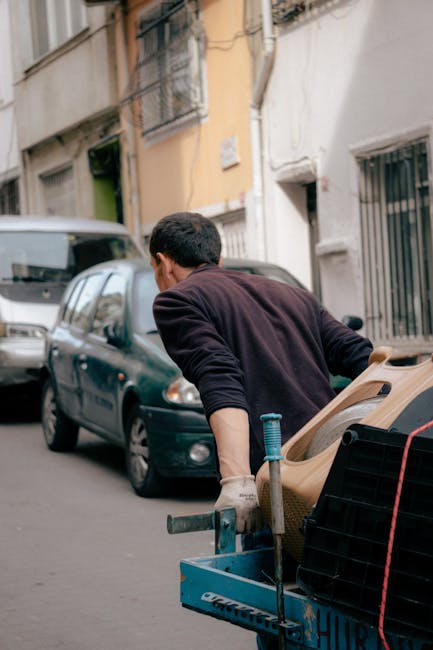
Moving a heavy sofa, wardrobe, bed frame, or piano is never a casual task, but on Coombe's narrow lanes it becomes a different kind of puzzle altogether. Tight bends, parked cars, low visibility, awkward turning space, and the constant worry of scratching walls or damaging floors can turn a simple move into a long, sweaty morning. If you are planning moving bulky furniture on Coombe's narrow lanes, the real challenge is not just lifting the item. It is getting it out, turning it, protecting it, loading it, and doing all of that without making the lane feel even narrower.
This guide walks through the practical side of the job: how it works, what to prepare, which tools actually help, and when it makes far more sense to bring in experienced help. You will also find a checklist, a comparison table, and a few local tips that make the whole thing feel less daunting. To be fair, that is half the battle.
Why Moving Bulky Furniture on Coombe's Narrow Lanes Matters
Coombe has a character that many people love: quieter roads, older properties, leafy surroundings, and a more residential feel than busier London streets. The flip side is that narrow lanes can complicate any furniture move. A bulky item that seems manageable in a wide driveway can become awkward when there is only a slim pavement, a gate with a sharp angle, or a stretch of road where two vehicles can barely pass each other.
When you are dealing with a large item, every extra step matters. You have to think about clearance around door frames, the swing of the staircase, the slope of the lane, where the van can pause safely, and whether neighbours or passing traffic will create delays. One poor lift or a rushed corner turn can mean damaged furniture, chipped paint, strained backs, or an item that simply gets stuck halfway out of the house. Nobody wants that. Not first thing on a Tuesday.
The reason this topic matters is simple: narrow lanes increase risk and reduce margin for error. That does not mean the move is difficult by default. It just means planning matters more. In the same way that decluttering makes moving easier, as covered in this decluttering guide, careful preparation on a tight road can save time, stress, and a surprising amount of frustration.
It also matters because bulky furniture is often more valuable, more fragile, or more sentimental than an ordinary box. A sofa, a dining table, or a king-size bed frame is not something most people want to see scraped against a wall because somebody guessed the angle would be fine. Let's face it, the guess is rarely fine.
How Moving Bulky Furniture on Coombe's Narrow Lanes Works
The process is really a sequence of small decisions. First you assess the item. Then you assess the route. Then you match the right moving method to the space available. On a narrow lane, this usually means reducing unnecessary movement and avoiding last-minute improvisation.
The most useful way to think about it is from the furniture outwards:
- Furniture dimensions: measure height, width, depth, and any protrusions such as handles, legs, or headboards.
- Internal route: check hallways, stairs, landings, door widths, and tight turns.
- External route: look at the lane width, kerb space, parked cars, and the loading area.
- Vehicle access: confirm where the van can stop, reverse, or turn without blocking traffic.
- Team handling: decide whether one person, two people, or a trained moving team is needed.
In practical terms, the move often begins inside the property, with legs removed, doors opened, drawers emptied, and fragile sections wrapped. Once the item is ready, it is guided through the route using straps, sliders, blankets, or a dolly where appropriate. The last stage is loading. On tight streets, loading tends to be quicker when the vehicle plan has already been thought through, which is why local knowledge can be so valuable.
There is also the matter of timing. Early mornings and school-run hours can make narrow lanes feel even more compressed. Mid-morning is often calmer, though the best slot depends on the specific road, local parking conditions, and how much time the removal actually needs. If you are working to a same-day deadline, you may also find it helpful to read what to expect from urgent same-day moves in Coombe.
One small but useful point: many bulky items are not difficult because they are heavy alone; they are difficult because they are bulky. Width, awkward balance, and lack of handholds can matter more than raw weight. That is why a smart route often beats brute strength.
Key Benefits and Practical Advantages
When bulky furniture is moved correctly on narrow lanes, the benefits are bigger than just "it arrived in one piece." You get a calmer move, better protection for your belongings, and fewer unpleasant surprises. That sounds obvious, but it is exactly the kind of obvious thing people only appreciate after a stressful afternoon.
- Less risk of damage: proper preparation reduces scraping, corner knocks, and dropped items.
- Better use of space: smart loading and route planning make narrow access manageable.
- Lower physical strain: the right technique protects backs, shoulders, and knees.
- More predictable timing: when access is mapped properly, the job usually runs more smoothly.
- Less disruption to neighbours: efficient loading helps avoid blocking driveways or holding traffic for long periods.
- Improved confidence: you know what is happening at each stage, which reduces that slightly panicky feeling a lot of people get halfway through move day.
There is another benefit that is easy to miss: furniture often survives longer when it is handled properly. A sofa frame, mattress edge, or wardrobe panel can shift, warp, or wear badly if it is dragged, twisted, or squeezed through a gap that is too tight. If your item needs storage before or after the move, long-term protection matters too, and these sofa care and storage techniques are worth a look.
For many households in Coombe, a well-managed furniture move also makes the rest of the day easier. Once the large pieces are dealt with, boxes, soft furnishings, and appliances feel much more straightforward. That mental lift is real. You will notice it.
Who This Is For and When It Makes Sense
This kind of planning is useful for anyone moving heavy or oversized furniture through a tight local road layout, but it is especially relevant in a few situations.
- Homeowners moving a full household: large furniture pieces usually need coordinated loading.
- Flat movers: narrow stairwells, shared entrances, and limited parking make planning essential; flat removals in Coombe often demand a careful approach.
- Students moving into furnished or unfurnished accommodation: even one bed base or wardrobe can be awkward in a tight lane; student removals support can help when the move is smaller but still tricky.
- People moving one expensive item: pianos, large mirrors, and antique cabinets are classic examples.
- Anyone with time pressure: if you need a same-day turn, the margin for error is tiny.
It also makes sense when you are comparing different removal options. For some moves, a straightforward man with a van in Coombe setup is enough. For others, a fuller furniture removals service in Coombe is the smarter route because it gives you more handling support, better packing coverage, and fewer awkward compromises.
Truth be told, if you are looking at a piano, a marble-topped table, or a large wardrobe with fixed shelves, the "maybe we can manage it ourselves" approach tends to fade fast once you see the actual dimensions against the actual lane. Which is fair enough.
Step-by-Step Guidance
Here is a practical way to handle bulky furniture in Coombe's narrower streets without turning the whole thing into a drama.
1. Measure everything properly
Measure the furniture, the doorways, the hallway turns, the stair width, and the van loading height if relevant. Take note of handles, feet, and anything that sticks out. A missing two centimetres can be the difference between a clean move and a stuck corner.
2. Clear the route inside and outside
Remove rugs, shoes, baskets, plant pots, and loose items from the path. Outside, make sure the route to the van is free of clutter, bins, and low-hanging obstacles. If the move is happening after a rainy spell, check for slippery paving too. Wet shoes and heavy furniture are a poor combination.
3. Disassemble what can be safely removed
Take off legs, shelves, mirrors, cushions, and doors where possible. Put screws and fittings into labelled bags. This saves space and makes the item easier to carry through a narrow turn. For bedroom furniture, this guide to moving beds and mattresses is especially helpful if your bulky item includes a bed frame or divan.
4. Protect the item before it moves
Use blankets, padded covers, stretch wrap, or corner protectors to reduce scuffs and pressure marks. Keep in mind that wrapping should protect without trapping moisture, especially if the item may sit for a while before being unloaded.
5. Assign the lifting roles
One person should lead and call out turns, pauses, and steps. Another should stabilise the load and watch the route. If the item is especially awkward, a third pair of hands can make a huge difference. Communication matters more than enthusiasm here.
6. Move slowly through tight points
At a narrow doorway or staircase, stop and re-angle before forcing anything. Rotate the item only when the space is clear. Rushing is usually what causes chips in the wall or a nasty wobble on the stairs.
7. Load the van with the exit in mind
Heavier items should go in first, secured against movement. Softer pieces can fill the gaps. If you want a more efficient loading strategy, this packing guide is a useful companion read.
8. Check the street plan before leaving
On narrow Coombe lanes, the unloading point matters almost as much as the load itself. Confirm the safest place to stop, how long you can remain there, and whether another vehicle might need to pass. The cleaner the plan, the less you end up improvising with a sofa at the kerb, which is, frankly, never ideal.
Expert Tips for Better Results
A few small decisions can make a large move feel far more manageable. These are the details that tend to separate a smooth move from a frustrating one.
- Use furniture sliders on smooth floors: they reduce friction and protect flooring during repositioning.
- Keep one clear lead person: mixed instructions can cause hesitation at the worst possible moment.
- Mark fragile sections: glass, decorative corners, and polished surfaces deserve obvious labelling.
- Plan for parking before you move anything: especially on lanes where passing space is limited.
- Load according to balance, not just weight: the awkward item can be the one that causes the stack to shift.
- Take a short pause before the exit turn: sounds simple, but it helps avoid rushed mistakes.
It is also wise to think about the furniture type, because not every bulky item behaves the same way. A sofa flexes. A bed frame may twist. A freezer is heavy and unforgiving. A piano is its own category entirely, and it deserves real caution. If that sounds familiar, this piece on DIY piano moving explains why specialist handling is usually the safer option.
Another practical tip: do not underestimate the emotional side of the move. People often become impatient once the first item takes longer than expected. That is normal. Take a breath, reset, and keep the pace steady. A calm move is usually a safer move.
Common Mistakes to Avoid
Most furniture damage on tight roads is not caused by bad luck. It usually comes from one of a handful of avoidable mistakes.
- Failing to measure the route: guessing door widths or stair turns is risky.
- Underestimating the lane: a road that looks "fine" from the house may still be difficult for loading.
- Leaving drawers or shelves in place: that extra weight changes the balance and makes lifting harder.
- Using too few people: one person can manage some items, but not everything.
- Dragging furniture instead of lifting or sliding it properly: this damages both the item and the floor.
- Trying to force a turn: if it is not going, stop and rethink the angle.
- Ignoring weather: rain, damp surfaces, and mud can turn a narrow lane into a slip risk.
A very common one is not clearing enough space before the move starts. It sounds minor, but a cluttered hall or hallway can create a chain reaction of delays. If you want to reduce that problem, these pre-move cleaning tips and decluttering advice work well together.
And here is the slightly annoying truth: sometimes the furniture itself is not the issue. The issue is the route. Once you recognise that, decision-making gets much easier.
Tools, Resources and Recommendations
You do not need every moving gadget in existence. You do, however, need the right tools for the job and a realistic sense of what each tool can and cannot do.
| Tool or Resource | Best For | Practical Note |
|---|---|---|
| Furniture blankets | Protecting wood, polished surfaces, and upholstery | Useful for preventing scratches during turns and loading |
| Stretch wrap | Keeping drawers, doors, and loose parts secure | Do not over-tighten on delicate finishes |
| Furniture sliders | Moving heavy pieces across indoor floors | Good for short distances on smooth surfaces |
| Ratchet straps | Securing items in the van | Helpful when used correctly; avoid over-compression |
| Dolly or sack truck | Heavier upright pieces and short transfer distances | Only useful if the route is level enough and the item fits safely |
| Measuring tape | Route planning and access checks | Probably the least glamorous tool, and one of the most important |
For the van itself, size matters. A vehicle that is too large may be difficult to position on a narrow lane, while one that is too small may require multiple trips. If you are weighing up vehicle choice, this local guide to van sizes and parking tips is a practical place to start.
It can also help to understand the wider service options. A fuller overview of moving support is available on the services overview, while removal van options in Coombe can be useful if your move is built around access and capacity rather than a full household relocation.
And because not every move is the same, it is worth comparing options before you commit. Sometimes a small, flexible setup is enough. Sometimes you want the reassurance of a more complete service. That choice matters.
Law, Compliance, Standards, or Best Practice
For most household moves, the key issues are not complicated legal points; they are sensible safety and access practices. Still, it is worth treating them seriously. In the UK, movers and householders are generally expected to avoid creating unsafe obstructions, manage manual handling carefully, and respect any local parking or loading restrictions that apply to the road.
In plain English, that means planning the move so that people, property, and traffic are not put at unnecessary risk. On narrow lanes, this can involve checking where a vehicle can stop, keeping pathways clear, and making sure lifting is done by people who can manage the item safely. If a mover is working professionally, they should also operate within their own health and safety processes and insurance arrangements.
If you are arranging a professional move, it is sensible to look at practical trust signals such as insurance, payment security, clear terms, and a visible complaints process. Those pages may sound boring, but boring is good when you are trusting someone with a sofa and a staircase. The relevant company information is available on insurance and safety, payment and security, terms and conditions, and the complaints procedure.
There is also a sustainability angle. Moving bulky furniture can lead to waste if good items are damaged or discarded too quickly. Where possible, reuse, repair, storage, and responsible disposal are worth considering. The company's recycling and sustainability approach is relevant here, especially if you are deciding what should move, what should go into storage, and what should not travel at all.
For readers who want more background on the company itself, about us is useful context, and the health and safety policy offers another layer of reassurance.
Options, Methods, or Comparison Table
If you are deciding how to handle bulky furniture on Coombe's narrow lanes, it helps to compare the common approaches side by side.
| Method | Best For | Pros | Limitations |
|---|---|---|---|
| DIY with a few helpers | Short, simple moves with modest furniture | Low upfront cost, flexible timing | Higher risk on tight lanes, more physical strain, slower loading |
| Man and van setup | Single items or small moves | Flexible, efficient, often a good middle ground | May still need careful access planning |
| Specialist furniture removals | Large, fragile, or awkward furniture | More protection, better handling, less stress | Usually costs more than a simple DIY move |
| Full house removals | Multiple bulky items plus boxes and extras | Best for whole-home moves, coordinated approach | Requires more scheduling and preparation |
There is no one-size-fits-all answer. A small flat move might only need the flexibility of man and van services in Coombe, while a bigger household may benefit from house removals support. For local residents who want the broadest choice, removal services in Coombe and general removals support can be helpful starting points.
One small note: if the item is especially valuable or difficult, the "cheapest" option often becomes the most expensive one after repairs. A scuffed staircase or cracked cabinet is never a bargain.
Case Study or Real-World Example
Picture a typical Coombe move: a family needs to take a large oak wardrobe, a sofa, and a double bed frame out of a house on a lane where parking is limited on both sides. The wardrobe is the real problem. It looks fine in the bedroom, but once it reaches the landing, the turn toward the stairs reveals the issue. There is enough height, but not enough angle.
Instead of forcing it, the movers remove the doors, take out the internal shelves, and rotate the frame onto its side only after checking the lower stairwell is clear. One person leads from the bottom, another steadies the top, and blankets protect the wall at the tightest point. The van is parked in the safest available loading position, with the rear access already planned so the item can go in first.
The difference in outcome is pretty simple. Without preparation, the team might have spent twenty minutes trying to push something through a gap that was never going to work. With preparation, the wardrobe moves cleanly, the wall stays intact, and the rest of the load follows without drama. Not glamorous. Just good process.
That is also why local route awareness matters. A move from nearby roads into Coombe, or across Kingston Hill, can be smoother when the route and vehicle plan have been thought through in advance. The following local guides may help if you are planning a more route-sensitive move: the Coombe Wood Garden moves checklist, best local routes from Kingston Hill to Coombe, and what to expect from an urgent same-day move.
Practical Checklist
Use this checklist before moving bulky furniture on a narrow lane. It is simple, but it covers the important bits.
- Measure the furniture, doors, stairs, and van access.
- Remove drawers, shelves, legs, cushions, and detachable parts where safe.
- Wrap or cover surfaces to protect against scuffs.
- Clear hallways, steps, and the exterior path to the van.
- Check parking or stopping options on the lane.
- Assign one lead person to call the move.
- Confirm how many people are needed to lift safely.
- Prepare straps, blankets, tape, and sliders before starting.
- Plan the loading order so the heaviest pieces go in first.
- Keep valuables, keys, and essential documents separate and easy to reach.
- Allow extra time if the road is busy or the weather is poor.
- Pause and re-check angles at every tight corner.
Expert summary: on narrow Coombe lanes, the winning formula is rarely strength alone. It is measurement, timing, route planning, and calm handling. Get those four things right, and even a bulky move becomes much more manageable.
If you want a reliable place to compare service choices and next steps, pricing and quotes is a sensible page to review before you commit.
Conclusion
Moving bulky furniture on Coombe's narrow lanes is absolutely doable, but it rewards careful planning more than almost anything else. When you think ahead about measurements, access, loading order, and safe lifting, the move becomes calmer and the risk of damage falls sharply. That is true whether you are moving one oversized sofa or managing a full home with several awkward pieces.
If you remember only one thing, make it this: narrow access is not a reason to panic, it is a reason to prepare. The better the plan, the smoother the day. And honestly, that is the kind of difference you can feel in your shoulders by lunchtime.
Get a free quote today and see how much you can save.
When the furniture is in place and the lane has gone quiet again, the whole job feels a little lighter. That is usually the sign it was handled well.