Coombe Estate Flats: Stairs, Access & Lift Advice
Posted on 02/06/2026
Coombe Estate Flats: Stairs, Access & Lift Advice
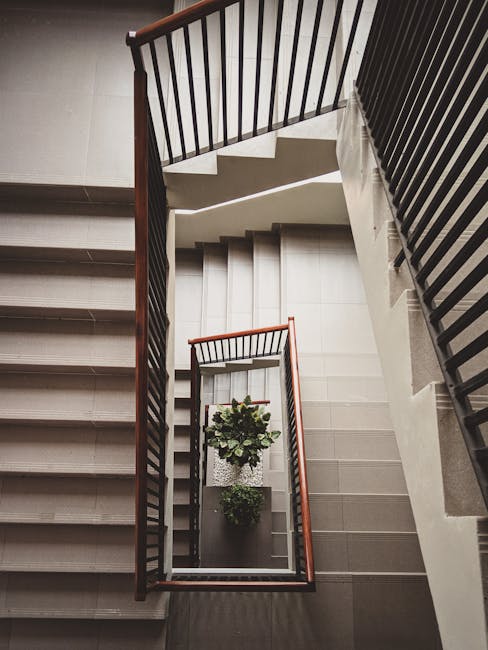
If you are planning a move in Coombe Estate flats, the stairs, access route, and lift situation can make the whole day feel either calm and organised or a bit of a scramble. Truth be told, that usually matters more than people expect. A narrow landing, a lift with awkward dimensions, a front entrance with steps, or a parking spot that's not where you hoped can change the pace of the move completely.
This guide on Coombe Estate Flats: Stairs, Access & Lift Advice is here to help you think ahead in a practical way. You'll find clear guidance on how flat access affects moving, what to check before moving day, how to protect your furniture and your back, and when a professional service makes life a lot easier. If you are already comparing options, you may also find the local service pages for flat removals in Coombe and man and van support in Coombe useful as a next step.
There's no need to overcomplicate it. The goal is simple: reduce risk, avoid delays, and make the move fit the building instead of fighting it.
Why Coombe Estate Flats: Stairs, Access & Lift Advice Matters
Moving in and out of flats is rarely just about carrying boxes from A to B. In estate-style blocks, the route matters: stair width, lift size, turning space, entrance steps, parking distance, and whether the lift is actually available on the day. If any one of those details is overlooked, the move can drag on, become more physical than expected, or lead to avoidable damage.
For residents and movers in Coombe Estate flats, good access advice is especially useful because blocks often have mixed layouts. One building may have a service lift and generous communal corridor space, while another has a tight stairwell and awkward corners that make a sofa feel twice its real size. It's a bit like trying to fit a duvet back into its cover after wash day - easier if you know what you're dealing with before you start.
There is also a safety side to this. Heavy furniture on stairs creates obvious strain, and poor planning can cause knocks to paintwork, chipped bannisters, scuffed floors, or worse. If you're moving something bulky, the right guidance helps you decide whether to dismantle, carry in sections, or book specialist support such as furniture removals in Coombe. That is often the difference between a move that feels controlled and one that feels like a battle with the building.
Key point: stairs, access, and lift advice is not a technical extra. It is part of the move itself.
How Coombe Estate Flats: Stairs, Access & Lift Advice Works
The process starts before anyone picks up a box. You assess the route from the van to the flat and from the flat back down again, if you're leaving. That means looking at the full path, not just the front door. In practical terms, you want to know:
- How many flights of stairs there are
- Whether the staircase turns sharply or narrows
- If there is a lift, what size and type it is
- Whether the lift is reliable and available on move day
- How far the parking space is from the entrance
- Whether there are door entry codes, intercoms, or concierge checks
- Whether large items need to be carried at an angle or dismantled
In many flat moves, the biggest issue isn't lifting; it's movement and positioning. A sofa may be light enough in theory, but once you meet a tight landing and a low ceiling on the stairwell, things get interesting very quickly. The same goes for mattresses, washing machines, and wardrobes. If you want a more general overview of how flat moves are handled, the page on house removals in Coombe is a helpful place to compare service scope.
Good access advice also helps with timing. If a lift is being shared with other residents, or if there are move-in booking slots, your schedule may need a buffer. That buffer matters. A 20-minute delay can become a full-hour delay if you're waiting for the lift or navigating around neighbours with prams, shopping, or daily life. It happens. More often than people expect.
For more complicated deliveries, it is sensible to match the method to the item. A chest of drawers might go up on a stair trolley, while a piano needs specialist handling. If you are wondering whether a heavy object can be moved without extra help, this guide on lifting heavy items safely by yourself is a useful reality check. Sometimes the answer is yes. Sometimes, frankly, it is no.
Key Benefits and Practical Advantages
Clear stairs-and-lift planning gives you more than convenience. It improves the whole move from a practical standpoint.
- Less damage: walls, bannisters, flooring, and furniture are easier to protect when you know the route in advance.
- Safer handling: movers can plan grip points, turning angles, and team lifts properly.
- Better timing: you are less likely to lose hours to avoidable access problems.
- Lower stress: nobody likes discovering a lift is too small when the sofa is already in the hallway.
- Smarter packing: you can separate small boxes from awkward items and load in the right order.
- Reduced cost surprises: if access is difficult, planning early helps avoid last-minute changes.
There's also a quieter benefit that people often miss: confidence. When you know the access route, you stop second-guessing every decision. You know what can fit, what must be dismantled, and what needs a different approach. That kind of confidence matters on moving day, especially in a flat where one missed detail can throw off the rhythm.
If you are still in the planning stage, getting organised early helps a lot. In many cases, a move feels dramatically simpler after thorough decluttering before moving because fewer items need to travel through tight communal spaces. Less stuff, less friction. Simple, but effective.
Who This Is For and When It Makes Sense
This advice is useful for a wide range of people, not just those moving into top-floor flats. If you live in, manage, rent, or move into a Coombe Estate property, it makes sense to think about access early.
- Tenants moving in or out who need to work around communal stairs or lifts
- Homeowners in flats or maisonettes planning a full or partial move
- Landlords and letting agents who want a smoother handover
- Students with limited time, smaller budgets, and lots of bag-and-box logistics
- Older residents who may need a less physically demanding approach
- Families moving larger furniture, beds, prams, or storage pieces
It also makes sense when you are moving only one or two awkward items. A bed frame, wardrobe, freezer, or piano can be more challenging than a full set of boxes. That's where planning for the building becomes more important than planning the list of items. If your move includes specialist furniture, the pages on bed and mattress moving and piano removals in Coombe can help you think through the practical side.
Small flat, big object? That's where the trouble usually begins.
Step-by-Step Guidance
Here's a straightforward way to plan access for a Coombe Estate flat move without overthinking it.
- Measure the route. Check stair width, landing space, doorway clearances, and lift dimensions if there is a lift.
- Identify the awkward items first. Sofas, mattresses, wardrobes, white goods, and anything fragile or oversized should be listed early.
- Check building rules. Some blocks require advance notice, designated move slots, or protection for communal areas.
- Decide what must be dismantled. Flat-pack furniture, bed frames, and some tables travel much more easily when broken down.
- Plan the loading order. Put the hardest-to-move items where they can be accessed first, not buried behind lighter boxes.
- Protect surfaces. Use floor runners, corner guards, wrapping, and blankets where needed.
- Confirm parking and access. The closer the van, the less physical strain and the quicker the job.
- Build in time for delays. Lifts, neighbours, or building access can add a few minutes. Sometimes a lot more.
A real-world example: if you are moving from a second-floor flat and the lift is small, your wardrobe may need to come apart before it reaches the corridor. If you have packed everything into that wardrobe already, the move gets messier fast. A better approach is to strip it earlier, label fittings, and keep reassembly parts together. That sounds obvious, but in the rush of moving, obvious things are the first to go missing.
Planning also includes your packing style. If you want less confusion on the stairs, you'll want to organise by room and weight. This guide to packing intelligently for a move gives a good practical framework. It is one of those things that repays you on the day.
Expert Tips for Better Results
Experienced movers tend to focus on the small details because those details save the day. Here are the things that tend to make the biggest difference in flat access moves.
- Walk the route with your eyes, not just your memory. That odd corner near the stairwell? It matters.
- Measure the tallest and widest item, not just the biggest. A tall lamp can be harder than a wide box.
- Keep the lift free if you can. If the lift is booked or shared, bring items in logical waves.
- Use proper lifting technique. Bend your knees, keep the load close, and avoid twisting under pressure.
- Wrap before you move, not after. A blanket on the landing is too late if paint has already been chipped.
- Label awkward items clearly. "Glass," "This side up," and "Top-first" save real time.
One detail that people underestimate is the emotional effect of a tight move. If the stairs are narrow and everyone is squeezed together, patience runs thin. You can feel it. The air gets a bit warm, somebody says "just one more trip," and suddenly nobody is having a lovely morning. Good planning softens that edge.
For longer-term storage decisions, some of the same discipline applies. If your move includes furniture you are not taking straight into the new flat, the advice on storing a sofa safely may help you avoid damage during the transition.
Common Mistakes to Avoid
Most problems with flat access are preventable. These are the errors that tend to create hassle.
- Assuming the lift will be available. It may be out of service, shared, too small, or temporarily blocked.
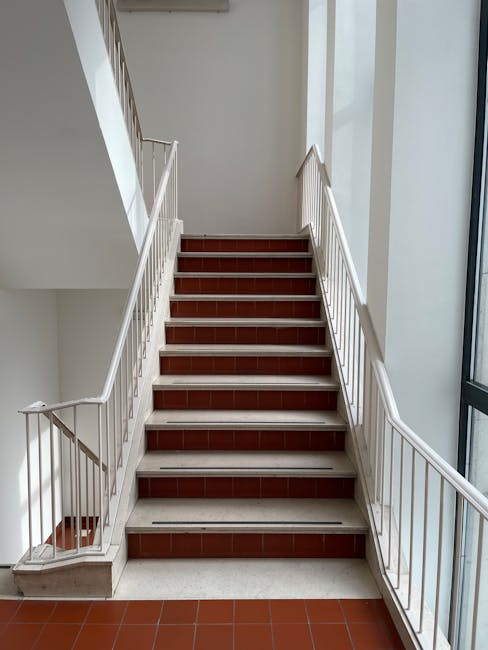
- Ignoring stair turns and low ceilings. These are the places where furniture gets stuck.
- Leaving packing too late. Boxes that are still open on move day slow down the entire route.
- Not checking parking distance. A long carry from the van is tiring and can become unsafe with larger items.
- Trying to move oversized furniture without dismantling. Sometimes the item is not the issue; the shape is.
- Overfilling boxes. Heavy boxes on stairs are awkward and can be a real strain.
A very common one: people focus on the front door and forget the corridor after it. Then they discover there is nowhere to turn the mattress, no space to pause, and a neighbour coming the other way with a laundry basket. It sounds minor. It's not. On a tight stairwell, minor things become major pretty quickly.
If you want a calmer overall moving experience, this article on making moving day less stressful is worth a look alongside this guide.
Tools, Resources and Recommendations
Having the right equipment makes a flat move cleaner and safer. You do not need a van full of gadgets, but a few basics go a long way.
- Furniture blankets: protect wood, fabric, and painted surfaces.
- Removal straps: useful for team lifting and stabilising heavy pieces.
- Stair trolley or sack truck: helps with boxed items where the staircase allows it.
- Protective floor covers: reduce scuffs in hallways and entry points.
- Strong tape and labels: essential for organising dismantled parts and room-by-room boxes.
- Tool kit: screwdrivers, Allen keys, and a small bag for fittings.
For many customers, the most useful resource is simply a service that understands local access issues. A local man with a van in Coombe can be a good fit for smaller flat moves, while larger homes or more complex access may call for broader removal services in Coombe. If you need temporary space, the page on storage in Coombe is also relevant, especially when access issues mean you want to stage the move in two parts.
And don't forget cleaning. If you are moving out of a flat block, a tidy exit always feels better. The guide to pre-move house cleaning has some handy ideas, especially if you are trying to return a property in good order after the last box is gone.
Law, Compliance, Standards, or Best Practice
For most flat moves, the main rules are practical rather than legal, but they still matter. Building managers, landlords, and residents' associations often set their own expectations around booking lifts, protecting communal areas, and keeping escape routes clear. Those requirements can vary, so it is always sensible to confirm them directly rather than assume.
From a best-practice standpoint, safe moving should include sensible manual handling, reasonable protection of shared spaces, and clear communication with everyone involved. In the UK, general workplace health and safety principles apply to anyone carrying out moving work professionally, and that is why reputable firms take access planning seriously. The details may feel small, but they are there to reduce avoidable risk.
If you are comparing providers, it is worth reading the company's insurance and safety information and checking its accessibility statement. That tells you something useful about how they think about customers, buildings, and access needs. It's a decent sign, to be fair, when a company is clear about this stuff.
You may also want to review service terms and booking details before confirming a move. The pages on terms and conditions and pricing and quotes can help set expectations early and avoid confusion later.
Options, Methods, or Comparison Table
Different access situations need different approaches. Here is a simple comparison to help you think about the best fit.
| Access situation | Best approach | Why it works | Watch out for |
|---|---|---|---|
| Flat with a reliable lift | Use lift access with pre-booked time | Fast, safer for large items, less stair strain | Lift size, booking conflicts, weight limits |
| Flat with narrow stairs | Dismantle furniture and move in sections | Reduces snagging and awkward turning | Lost fittings, more time, extra wrapping needed |
| Ground-floor flat with long walk from parking | Use a trolley, plan loading order, minimise trips | Reduces fatigue and repeated carrying | Wet weather, trip hazards, overpacked boxes |
| Top-floor flat without lift | Team lift, lighter boxes, advance route planning | Safer and more realistic than trying to rush | Overexertion, delays, worn packaging |
| Bulky or fragile specialist items | Use specialist removal support | Protects the item and the building | Trying to save money in the wrong place |
If your move includes special items, compare the needs of the building with the needs of the object. A sofa is not a piano, and a piano is definitely not "just another heavy box." The page on why DIY piano moving is risky says that plainly, and for good reason.
Case Study or Real-World Example
Here is a realistic scenario based on the kind of move people often face in estate flats.
A couple moving out of a second-floor flat in Coombe had a standard two-seat sofa, a bed frame, a mattress, eight boxes, and a tall wardrobe. They assumed the lift would take everything. On inspection, the lift was usable, but the wardrobe was too tall once angled for the door opening. The building also had a narrow landing at the top of the stairs, which meant turning it intact would have been awkward and risky.
They adjusted the plan before move day: the wardrobe was dismantled, screws were bagged and labelled, the mattress was wrapped separately, and the boxes were split into lighter loads. The movers used the lift for some items and the stairs for others. The whole job was smoother, quieter, and less stressful than expected. No drama, no chipped wall, no "how on earth is this meant to fit?" moment.
The key lesson? The building decides the method. Once you accept that, you can work with it instead of fighting it. That is usually where the stress drops away.
Practical Checklist
Use this checklist before move day. It keeps the important bits in one place.
- Measure doorways, stairwells, and lift access points
- Check whether the lift is booked, working, and large enough
- Confirm parking, loading, and walking distance from the van
- Tell the building manager or landlord about the move if required
- Wrap furniture and fragile items before carrying them out
- Dismantle large furniture where needed
- Label all boxes by room and priority
- Keep fittings, cables, and small parts in sealed bags
- Clear corridors and entry points inside the flat
- Use proper lifting technique and team lifts for awkward items
- Allow extra time for stairs, lift delays, or building access checks
- Arrange storage if not everything is going to the new place immediately
Quick reminder: if a piece looks too large for the route, trust that instinct. It usually is. Better to pause and plan than force it and regret it on the landing.
Get a free quote today and see how much you can save.
Conclusion
Good stairs, access, and lift advice can make a huge difference to a Coombe Estate flat move. It helps you protect furniture, avoid delays, reduce physical strain, and keep the day feeling manageable. Small details like lift size, stair turns, and parking distance may not sound exciting, but they shape the whole experience. In moving, the small stuff is the big stuff. Always has been.
If you're planning a flat move, start with the route, then the items, then the timing. That order tends to work best. And if you need a hand, choosing a local service with relevant flat-moving experience can save you a lot of hassle. For a broader look at service options, you may want to review removals in Coombe, removal companies in Coombe, or the main services overview page.
Move carefully, plan properly, and the building stops feeling like an obstacle. It just becomes part of the path.