Bins, Permits & Fines: Coombe Moving Regulations
Posted on 12/07/2026

If you are moving in Coombe, the last thing you want is a parking issue, a missed bin day, or a fine landing on the mat after an already exhausting week. Bins, Permits & Fines: Coombe Moving Regulations is really about one thing: keeping your move legal, smooth, and less stressful from the first box to the final unload. In a place like Coombe, where streets can be tight, access can be awkward, and neighbours are not exactly delighted by a van blocking the road, the details matter more than people expect.
This guide breaks down what usually matters, how moving regulations are handled in practice, where fines tend to come from, and what you can do before moving day to avoid the annoying stuff. We will also cover practical planning tips, a simple step-by-step process, and a checklist you can actually use. No fluff. Just the bits that save time, money, and a fair bit of frustration.
Why Bins, Permits & Fines: Coombe Moving Regulations Matters
Moving day can go wrong in surprisingly small ways. A refuse bin left in the only available loading space. A van parked across a dropped kerb. Boxes put out too early and blown open by the wind. It sounds minor, but those little things can create delays, complaints, or penalties. And in a local area like Coombe, where access varies from one road to the next, a rushed approach is often where trouble starts.
The regulations around moving are not there to make life awkward, despite how it may feel at 7.30 on a rainy morning with a mattress sticking out of a hallway. They exist to keep roads passable, protect pedestrians, and stop avoidable disruption. For residents, landlords, tenants, and moving crews, that means planning around parking, bin presentation, and waste handling rather than assuming it will all sort itself out.
One thing people often overlook is how fines can happen indirectly. It is not always about a dramatic enforcement case. More often, a move creates a chain reaction: the van cannot stop where planned, the team leaves the sofa on the pavement for too long, or old items are dumped beside communal bins because there was no disposal plan. That is the kind of mess that turns an ordinary move into an expensive one.
Expert summary: In Coombe, the safest move is usually the one planned around access, parking, refuse collection points, and disposal before the first box is carried outside.
If you are still in the sorting phase, it can help to read this guide to decluttering before a move because a lighter load often means fewer van trips, less street clutter, and fewer chances of a parking issue. Simple, but effective.
How Bins, Permits & Fines: Coombe Moving Regulations Works
There are three practical parts to understand: where the vehicle can stop, what happens with household waste and bins, and what enforcement could follow if something is done badly. You do not need to become a legal expert. You do, however, need a working system.
1. Parking and loading access
Moving vans often need temporary curbside access close to the property. If a road is narrow, busy, or lined with parked cars, you may need to think about permissions, timing, or a different vehicle size. In some cases, the issue is not a formal permit at all, but simply making sure the load/unload point is realistic.
2. Bins and waste storage
Refuse and recycling bins should not block the route, the pavement, or a neighbour's access. If your move overlaps with collection day, you need to decide whether the bins will stay in place, be moved back after emptying, or be repositioned once the van has gone. Communal bin areas can be especially awkward; one badly placed bag can become everyone's problem.
3. Fines and enforcement risk
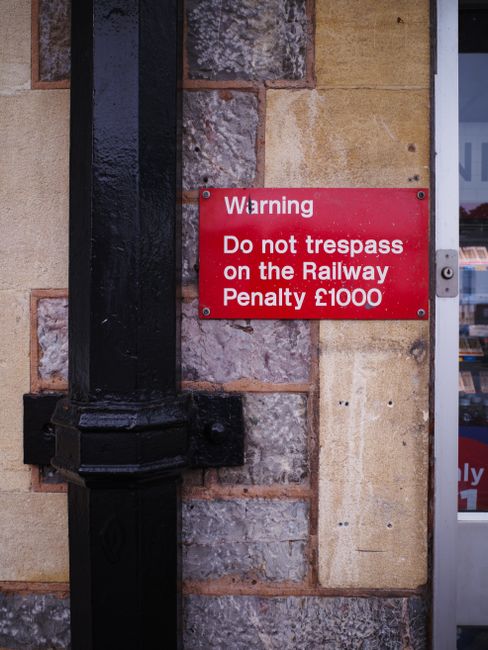
Fines are usually tied to a breach of local parking or waste rules rather than the moving process itself. That could mean parking where you should not, obstructing the highway, leaving waste out illegally, or fly-tipping unwanted items. If a crew has to work fast and improvise, risk goes up. If the move is planned properly, the risk drops fast.
For local road and access planning, it is worth looking at van sizes and parking tips for Coombe Lane moves and stairs, lift and access advice for Coombe estate flats. They are practical reads, especially if your property is not the easy, straight-in kind. Which, let's face it, a lot of them are not.
Key Benefits and Practical Advantages
Staying on top of moving regulations sounds like admin. It is. But it also brings some very real advantages that people feel on the day.
- Fewer delays: If parking and bin placement are sorted in advance, loading happens faster.
- Lower risk of fines: No last-minute improvising, no blocked access, no careless waste disposal.
- Less neighbour friction: People notice when a move is tidy and controlled.
- Better safety: Clear paths and sensible loading reduce trip hazards and lifting strain.
- Cleaner exit: You avoid leaving a property with rubbish scattered about or bins in the wrong place.
There is also a less obvious benefit: mental clarity. Moving is already noisy in your head. Permits, bins, and fines are just one more thing nibbling away at your attention. When those details are under control, the whole day feels less chaotic. Not glamorous, but deeply welcome.
If your move also involves heavy or awkward items, a little preparation goes a long way. This guide on lifting heavy objects is useful for understanding why poor handling creates avoidable problems, especially when you are moving in and out of tight shared spaces.
Who This Is For and When It Makes Sense
This topic matters to almost anyone moving in Coombe, but some people feel the pressure more than others.
Home movers
If you are moving out of a house, flat, or maisonette, you may need to manage a van stop, a bin area, and household waste all at once. Family moves also tend to generate more clutter than expected. Toys, packaging, old furniture, half-empty cupboards, the lot.
Tenants and students
Tenants often move on a deadline, which is exactly when details get missed. Students, in particular, may be moving with a small van, a few friends helping, and no formal plan for waste or parking. That is usually fine until it is not. If that sounds familiar, student removals in Coombe can be a sensible route when you want the logistics handled with less stress.
Landlords and letting agents
For landlords, the issue is usually handover condition. If bins are left overflowing, bulky waste is abandoned, or access gets blocked, the move-out becomes a problem for everyone. Having a cleaner process protects the property and the relationship with the next occupants.
Office and small business relocations
Office moves bring a different kind of pressure. There is less tolerance for blocked entrances, missed timings, and leftover packaging. If you are relocating desks, files, and equipment, you may want to review office removals in Coombe alongside your parking and access plan.
Truth be told, the people who benefit most are the ones who think about these details before the van arrives. Not after. After is when everyone starts speaking in short sentences and looking at the clock.
Step-by-Step Guidance
Here is a practical process you can follow without overcomplicating it.
- Walk the route from property to vehicle. Check the front path, shared hallways, bin store, and kerbside loading point. Look for steps, tight corners, low branches, parked cars, and anything that might slow the team down.
- Identify bin day and collection timing. If bins are due to be emptied around the move, decide whether to leave them accessible, move them after collection, or temporarily reposition them so they do not block loading.
- Separate what is moving, recycling, donating, or disposing. This is where a lot of people get into trouble. One pile. Four categories. Keep them physically apart.
- Confirm whether parking restrictions apply. If the road is controlled, congested, or awkward for long stays, plan the van position early rather than hoping for the best.
- Choose the right vehicle and team size. Too small and you need repeat trips. Too large and you may create a parking headache. Match the vehicle to access conditions, not just the number of boxes.
- Keep waste out of communal areas. Bag it, label it if needed, and remove it cleanly. Do not leave loose rubbish next to shared bins. That ends badly, usually with a complaint.
- Do a final sweep before departure. Check behind doors, under shelves, in lofts, and around bin stores. Moves generate odd leftovers. A screwdriver. A charger. One lonely kitchen spoon. Always something.
If your move is part of a bigger life reset, you might also find these pre-move cleaning tips useful. A clean property makes final checks easier and helps you spot anything that should not be left behind.
And if the whole process feels like too many moving parts, this stress-free moving guide is a good companion read. It is not magic. But it does help you stay sane.
Expert Tips for Better Results
In our experience, the moves that go well are rarely the ones with the fanciest gear. They are the ones where someone thought through the boring bits early. That is the honest truth.
- Book around the street, not just the property. A large van can be ideal for volume, but not if the lane makes it awkward to park legally.
- Use a loading zone mindset. Keep the front of the property clear, and avoid turning the pavement into a storage area. People need to pass.
- Keep bin lids shut and pathways clear. It sounds tiny, but open bins and loose bags attract trouble fast.
- Plan bulky items separately. Furniture, pianos, white goods, and beds need their own handling logic. If you are moving anything awkward, DIY piano moving is the kind of job to think twice about.
- Use short task notes. Simple reminders like "bin out after collection" or "waste bag stays with us" prevent silly mistakes.
- Confirm your disposal route before the move. If items are leaving the property, decide whether they are going to recycling, storage, donation, or proper disposal. No guessing.
One small but useful habit: take a quick photo of the bins, front access, and parking position before anything starts. It gives you a clear record if there is any later confusion. Nothing dramatic, just sensible.
If you are packing now, packing intelligently for an effortless transition can help reduce loose items and packaging waste. Fewer random bits. Fewer bin headaches. Easier life.
Common Mistakes to Avoid
Most moving fines and frustrations come from predictable mistakes. The good news? They are easy to avoid once you know what to watch for.
- Leaving bins where the van needs to stop. The loading spot is not the place for wheelie bins, broken boxes, or a half-torn mattress bag.
- Assuming parking will be fine on the day. Parking is one of those things that feels simple right up until a long vehicle appears and the street narrows.
- Mixing waste with moving items. It slows everything down and makes it easier to leave rubbish behind by accident.
- Dumping items beside communal bins. That can be treated as fly-tipping, and the mess travels quickly through a building.
- Ignoring access rules in flats or estates. Lift bookings, stairwell protection, and timing windows are not optional details. They matter.
- Forgetting how much packaging you create. Cardboard, tape, wrapping, and broken-down furniture can become a small mountain by mid-afternoon.
There is also a slightly sneaky mistake people make: they keep saying they will sort the rubbish "later". Later has a habit of becoming never. Then the bags sit there, and suddenly the move-out feels untidy and rushed.
Tools, Resources and Recommendations
You do not need much kit, but the right few items make a genuine difference.
| Item | Why it helps | Best used for |
|---|---|---|
| Clear labelled bags | Separates recycling, rubbish, and keep items | Waste sorting and quick checks |
| Strong moving boxes | Reduces spills and broken packaging | Books, kitchen items, mixed belongings |
| Furniture covers or wraps | Protects items during awkward loading | Sofas, mattresses, drawers |
| Floor and corner protection | Prevents damage in hallways and communal areas | Flats, staircases, tight entrances |
| Notebook or phone checklist | Keeps bin, parking, and access tasks visible | Final-day coordination |
On the planning side, a few supporting pages can be genuinely helpful. If you need a broader view of the move itself, the services overview gives a useful starting point. If you are comparing logistics, pricing and quotes can help you budget around access, time, and vehicle needs. And if you are trying to work out the right type of transport, man with a van Coombe and removal van Coombe are worth reviewing alongside the practical realities of your street.
For items that need temporary holding space because of timing, storage in Coombe may also be useful, especially if collection day and move-in day do not line up neatly. They rarely do, to be fair.
Law, Compliance, Standards, or Best Practice
Without pretending every local scenario is identical, the broad expectation in the UK is straightforward: do not obstruct the highway, do not misuse public space, and do not dump waste where it does not belong. Local enforcement bodies may deal with parking restrictions, permit rules, bin storage issues, and littering or fly-tipping concerns. The practical takeaway is simple: if your move touches shared space, assume it needs care.
For Coombe moves, best practice usually includes:
- checking whether loading and unloading can happen without causing a blockage;
- keeping paths, entrances, and bin stores usable;
- disposing of waste through proper channels rather than leaving it out beside bins;
- giving residents, neighbours, or building managers notice where possible;
- keeping a record of arrangements if access is tight or shared.
That last point matters more than people think. A short message, booking note, or agreed time window can prevent arguments later. It is not about paperwork for the sake of it; it is about making sure everyone knows what is happening.
If you want a fuller local perspective on permissions and parking around removals, this Kingston council permit guide for Coombe removals is closely related and worth a look. For disposal concerns, this article on fly-tipping risks after a move is especially useful because bad disposal is one of the fastest ways to turn a simple move into a very unpleasant one.
Options, Methods, or Comparison Table
There is no single best setup for every move. The right approach depends on your property, street layout, amount of waste, and how much control you want over the day.
| Approach | Best for | Pros | Trade-offs |
|---|---|---|---|
| DIY move with personal vehicle | Very small loads, short distances | Low upfront cost, flexible timing | More trips, more handling, easier to create parking or waste issues |
| Man and van | Small to medium moves, tight schedules | Practical, efficient, often easier around narrow access | Still needs good planning for parking and waste |
| Full removals service | Homes, larger flats, fragile or heavy furniture | Less lifting, better coordination, smoother on busy streets | Usually costs more, though often saves time and hassle |
| Move plus storage | Staggered handovers or delayed completion dates | Flexible, reduces pressure on move day | Extra planning needed, and storage timing must be managed carefully |
If your property has awkward stairs, shared entrances, or narrow lanes, a more supported setup is often worth it. The cheapest option on paper can become the most expensive if you end up with extra trips, damaged items, or a parking penalty. Nobody enjoys paying twice for the same mistake.

Case Study or Real-World Example
A fairly typical Coombe move involves a two-bedroom flat, one roadside parking space, a shared bin area, and a collection day landing right in the middle of the move. In a case like that, the sensible plan is not complicated, but it does need discipline.
The move-out team checks the access route first, confirms where the van can stop without blocking other residents, and moves the bins back from the loading spot before starting. Waste is separated into bags and boxes early, rather than dumped at the last minute. The larger furniture is loaded first, and the corridor is kept clear so neighbours can still pass without squeezing sideways. Nothing dramatic. Just orderly.
The difference is obvious by lunch. Instead of clutter building up in the hall, the property stays usable. Instead of being unsure whether a bag belongs to recycling or rubbish, the owner has already sorted it. And because the parking spot was thought through before the van arrived, there is no awkward repositioning halfway through.
That kind of move does not make anyone cheer, but it does leave everyone calmer. The flat is handed over cleaner, the street is quieter, and nobody is standing around muttering about where the bin lids went. Small win. Big relief.
Practical Checklist
Use this before moving day. It is a simple one, but it catches a lot.
- Confirm the move date and any building access window.
- Check whether the van can stop legally and safely near the property.
- Identify bin day, bin storage location, and any shared refuse rules.
- Separate items into keep, recycle, donate, and dispose piles.
- Bag loose waste and keep it away from walkways.
- Measure bulky furniture and confirm the route out of the property.
- Protect floors, walls, and corners if the access is tight.
- Keep keys, paperwork, and essentials in one place.
- Do a final sweep of cupboards, lofts, sheds, and bin areas.
- Leave the property tidy enough that the next person does not inherit your mess.
If you are moving a sofa, mattress, freezer, or something equally awkward, a bit of specialist guidance helps. You can also look at sofa care and storage techniques, moving a bed and mattress safely, or how to store a freezer correctly if your timeline is a bit messy. And let's be honest, moving timelines often are.
Conclusion
Bins, permits, and fines sound like the dullest part of moving, but they are often the part that decides whether the day feels controlled or chaotic. In Coombe, the smartest approach is usually the simplest one: plan parking early, respect bin and waste rules, keep pathways clear, and avoid any last-minute dumping or guessing.
If you build those habits into the move, everything else becomes easier. The van loads faster, the building stays happier, and you avoid the sort of small penalties that feel silly long after the move is over. That is really the point here. Not perfection. Just a clean, lawful, low-drama move.
Get a free quote today and see how much you can save.
And if you are still in the middle of planning, take a breath. Sort the practical bits, keep the path clear, and the rest will usually fall into place better than you think.


